As increasing numbers of people choose environmentally friendly options for transport, the adoption of electric vehicles (EV) has seen a surge. Alongside this trend, the need for EV charging infrastructure has skyrocketed, highlighting the need for greater comprehension of EV charging processes. What is the EV charging process, and how does this work?
EV charge is the process that involves charging the battery of a vehicle’s electric. The basic process is similar to refueling conventional vehicles with gasoline. With one important difference, however the EVs aren’t powered by combustion fuels. Instead, they use electricity stored in the batteries to power and propel the electric motors.
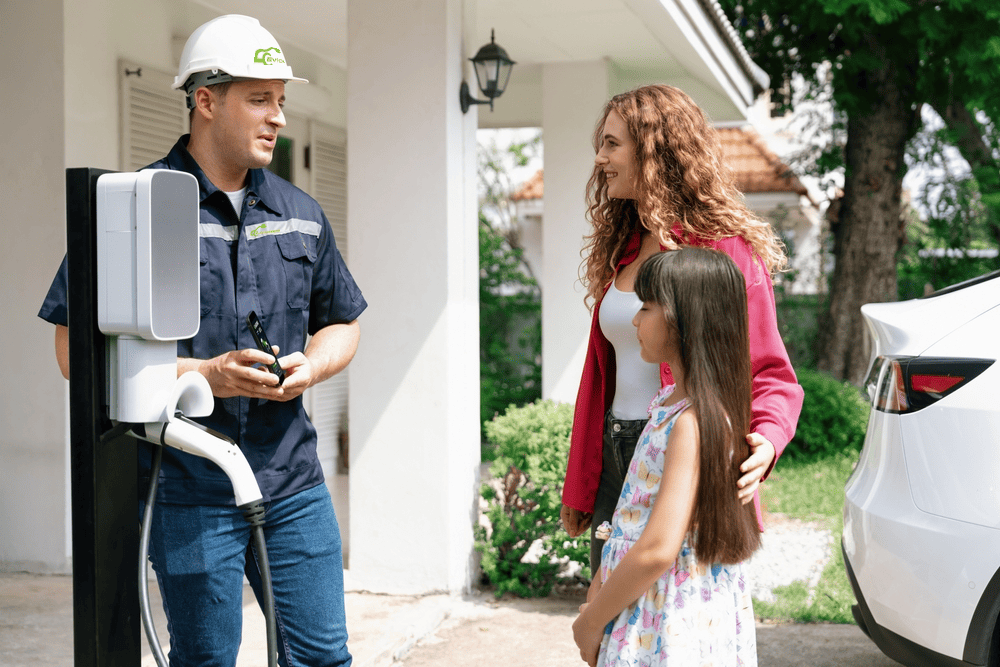
Understanding the various charging methods is crucial for EV charging. There are many charging options for EV owners and each one offers a different charging speed and compatibility for different vehicles. Here are a few alternatives to think about: To know more, click EV Charging Comprehensive Guide
Level 1 Charging – This is the simplest form of charging an EV, which uses an outlet that is 120 volts in the household. While it is useful, the level one charging is slow and can take several hours for charging an electric car. This level of charging is designed for charging overnight.
Level 2 Charging: This charging technique operates at a higher voltage than level 1 (typically at 240 Volts) and provides faster charging speeds. The option is available in charging stations that are accessible to the public as well as in offices and homes with specific charging equipment for electric vehicles. Level 2 chargers are ideal for overnight charging. They can also significantly reduce charging times they are compared to level 1.
DC Fast-Charging is also known as Level 3 Charging DC Fast-Charging is fastest option of three. It is able to charge electric vehicles at 80% or higher within a short period of period of time. DC fast chargers may be found in major highways, commercial areas and major transportation routes. They are ideal for long-distance trips and quick recharges.
It is crucial to EV drivers to be aware of the various charging options available to them to be able to make an informed decision regarding where and when they should charge their cars. EV charging experiences are impacted by a variety of factors, including charging speed, convenience of use, as well as the availability or charging stations.
Moreover, EV charger infrastructure is changing our perception of fueling. In certain instances charging stations for electric vehicles are replacing traditional gas stations. This reflects a shift to greener, cleaner transport.
Many EV owners find home charging convenient. Installing a level 2 charging station in your home will allow for seamless charging overnight, ensuring that the vehicle is ready to go each morning with a fully charged battery. Additionally, home charging provides cost savings and reduces the necessity of visiting public charging stations regularly.
The infrastructure for charging publically is, however, still essential particularly for people who travel for long distances and do not have the option of charging at home. Alongside technological advances the growth of charging infrastructures in public places makes electric vehicle ownership more accessible.
The incorporation of smart charging technologies and renewable energy into an EV charging networks offers exciting opportunities to optimize the efficiency of grids and increase sustainability. Solar or wind energy can be used to charge EVs. This can reduce greenhouse gasses and our dependence on fossil fuels.
In conclusion, EV charging is a fundamental aspect of owning and driving an electric vehicle. Knowing the various charging options and the changing nature of the charging infrastructure can help EV drivers to maximize their efficiency, convenience and sustainability. Clean energy and innovative charging technologies will continue to power the future of transportation as we continue to embrace electric vehicles.


