SWOT analysis is one of the most versatile and useful tools in business strategy. SWOT Analysis is a term that stands for Strengths Weaknesses Opportunities and Threats is a framework that helps assess the external and internal factors that influence the performance of a business’s prospects. This article will explore the SWOT analysis, its principles and the ways it can be used to improve business strategies.
SWOT Analysis Definition
SWOT Analysis at its core is a tool for strategic analysis that helps to determine, assess and evaluate the internal strengths of an organization as well as external opportunities and risks it faces. These elements can be rigorously examined to gain valuable insights into an organization’s competitive position, its strategic direction and possible areas for improvement.
The SWOT Analysis Guide is a Strategic Roadmap
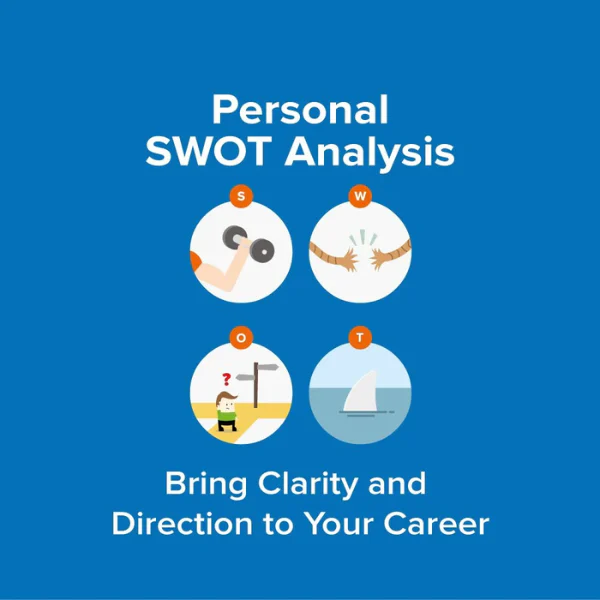
The first step in preparing an effective SWOT Analysis is having a good understanding of the components and goals. Begin by identifying your strengths as a business. These are the internal resources and attributes that provide you with an edge in the market. This could include factors like a solid brand reputation, innovative products and a skilled workforce.
The next stage is to identify the areas where an organization could be at risk or not up to par with their competitors. These could be due to things like an outdated technology platform, limited reach on the market, or a lack of efficiency in internal processes.
Companies must examine external factors and trends to determine if they can be used to their advantage. This could include emerging trends in the market, shifts in consumer behavior or technological advancements that create new opportunities for business.
Finally, businesses must evaluate external factors or challenges and determine if they can be a risk or hamper the growth of their business. This can include things like increased competition, regulatory changes, or economic downturns.
Business SWOT Analyses: Integrating Internal & External perspectives
SWOT Analysis’ ability to integrate both internal and external perspectives into strategic decision-making is one of its strengths. Through analyzing an organization from different angles, companies can develop an comprehension of their surroundings and set themselves up for success.
From an internal perspective, SWOT Analysis allows businesses to identify areas of strength that could be leveraged as well as areas of weaknesses that need attention and improvement. This self-awareness enables organizations to optimize their resources and streamline their processes and increase their competitive advantage.
SWOT Analysis from an external perspective helps businesses remain alert to developments and trends in the larger market landscape. By identifying possible opportunities, businesses can explore new ventures, broaden their market, or develop new services and products. In assessing the possible risks and threats businesses can develop contingency plans to reduce risk and safeguard long-term viability.
Enhancing the Impact of SWOT Analysis
To reap the maximum benefits from SWOT analysis, companies need to go beyond mere identification. They must also transform the insights into actions. It is essential to develop strategies to maximize strengths, minimize weaknesses, and seize opportunities.
SWOT Analysis does not have to be a separate exercise. It’s an ongoing process that evolves to the changing business environment. Organizations must revise and revisit their SWOT Analysis as market conditions and challenges change. This will ensure that the analysis is current and efficient in guiding strategic decision-making.
Conclusion: SWOT analysis aids strategic decision making
SWOT Analysis offers a structured method for analysing the external and internal variables that influence organizational performance. Through systematically assessing their strengths, weaknesses, opportunities, threats and other elements, companies can gather valuable data about their competitive positioning, identify strategic goals, and chart the course for sustainable success and growth. As businesses navigate the complexities of today’s market, SWOT Analysis serves as an effective tool to unlock potential, driving innovation, and achieving strategic goals.


