Aviation, which was once associated with busy airports, and the responsibilities in-person, is now undergoing the complete transformation. Remote airline jobs represent an exciting change in the way the industry is run, thanks to the advancements in technology as well as a growing focus on flexibility. These opportunities enable professionals to work in aviation by working from the comfort of their homes or remote locations, reshaping traditional career paths, and providing unbeatable work-life harmony.
Remote Airline Jobs are on the Rise
Traditionally the aviation industry has been dominated with roles that require physical presence such as flight attendants, pilots or ground staff as well as customers service reps. The rapid growth of digital technology has revolutionized the ways airlines operate. The majority of the tasks that used to require contact in person are now done effortlessly. Remote jobs are an excellent alternative for airlines. From data analysis to customer service inquiries They have proven to be safe and effective option.
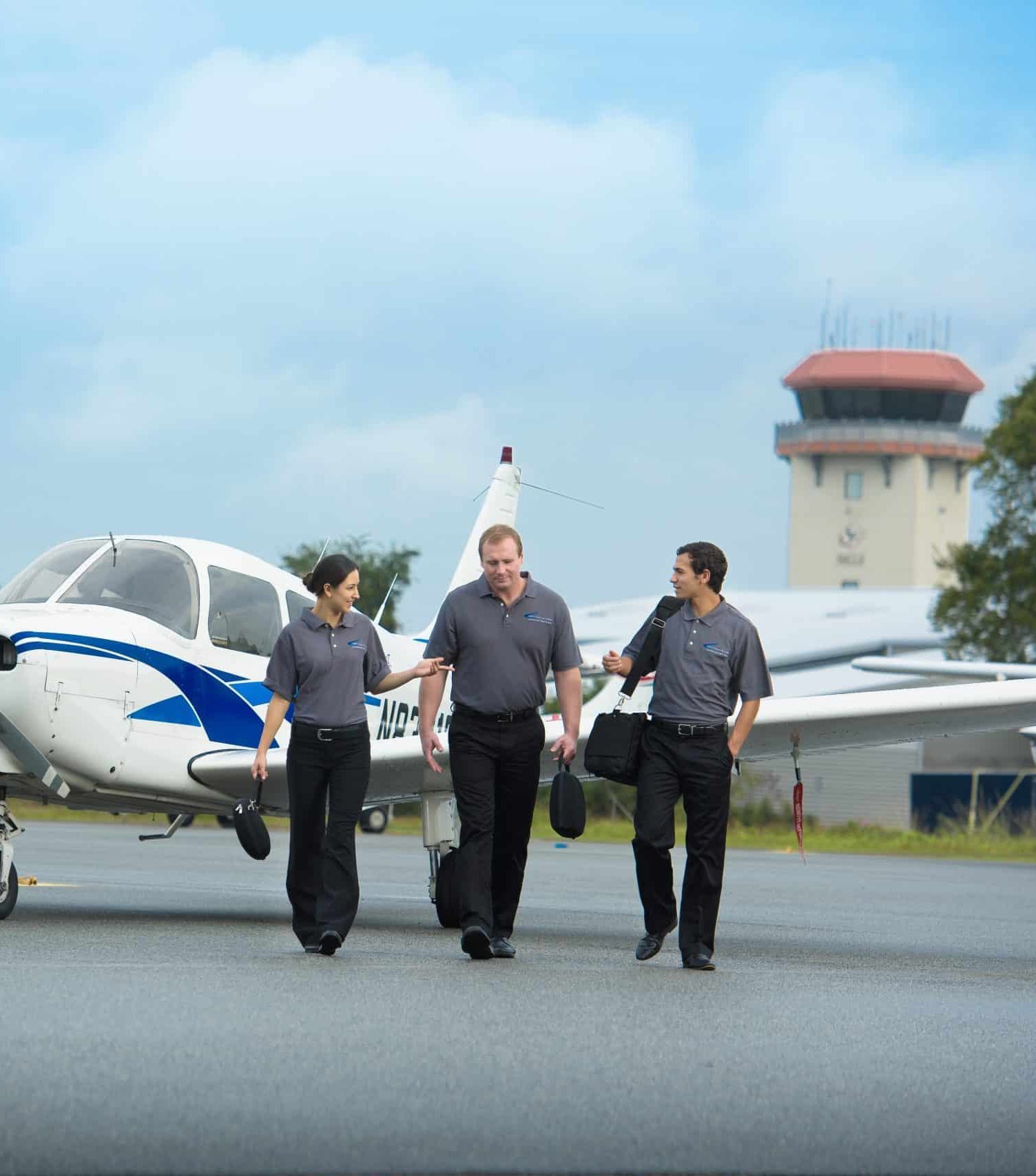
Image credit: flightschoolusa.com
This trend isn’t merely about ease of use. Remote work can be an economical solution for airlines, as it can reduce the cost of overhead associated with office space. For employees, the capacity to work from home reduces commute headaches, encourages healthier life balance and opens the door to international opportunities.
Remote Airline Jobs: Roles
Remote airline jobs are plentiful and cover a range of positions that require various qualifications and experience. Some of the most sought-after tasks include:
Customer Service Representatives: Managing queries and complaints, as well as dealing with reservations, can be completed virtually. This makes customer service one the most requested positions for remote airlines.
Revenue Management Analysts: These professionals use data to optimize the pricing of tickets and revenue streams. They work using advanced analytical tools from remote locations.
Marketing Specialists Airlines depend on experts in digital marketing to develop campaigns, manage accounts on social media, and increase online engagement.
Travel Agents: These professionals use technology to help clients organize their schedules and book flights.
IT and Cybersecurity professionals supporting airline systems, monitoring data security, as well as maintaining IT infrastructure are essential tasks that can be successfully performed remotely.
Remote airline jobs with flight benefits Benefits
One of the most attractive benefits of remote airline jobs that include flight benefits is the combination of professional flexibility and the traditional perks of aviation. These roles are becoming more sought-after for various reasons.
Remote work-life balance: Remote roles allow employees to create plans that align with their personal and professional needs, resulting in improved job satisfaction.
Cost savings: Working from your home can help you cut costs on everyday expenses such as transportation, meals and other associated costs.
Travel Benefits: Many airlines provide flight benefits, such as discounted or free travel to remote employees. It not only improves the satisfaction of employees, but also offers unique travel opportunities.
Global Accessibility: Remote posts let professionals from a variety of locations to enter the aviation industry which creates an inclusive and diverse workforce.
Airlines Remote Worker Skills Requirements for Workers
For a successful career in remote airline positions, certain competencies are required:
Technical Proficiency – A familiarity with software tools and platforms used in the aviation industry is critical to a seamless remote operation.
Communication Skills: Effective collaboration between teams depends on strong spoken and written skills.
Time management: The ability to organize tasks and deadlines by yourself is crucial to succeed in remote working environments.
Problem-Solving: Remote roles often need quick thinking and agility to solve problems without immediate assistance in-person.
How to Find Remote Airline Jobs
To land a remote airline position, you need to plan your approach strategically. Here are a few tips to get you started:
Research Opportunities: Look through online career sites for airlines as well as remote job boards to discover opportunities that fit your abilities and preferences.
Polish Your Resume: Highlight your remote work experience, technical skills, as well as relevant certifications.
Make use of Networking: Connect with aviation professionals on platforms like LinkedIn for information about potential opportunities.
Preparing for Virtual Interviews: Practice answering questions that illustrate your ability to work independently and handle remote tasks.
The Future of Remote Airline Jobs
Remote jobs for airlines are expected to continue to be highly sought-after because airlines are constantly innovating. Advances in communication technology, data analytics, and automation are making it more convenient for professionals to join the aviation industry from anyplace in the world.
Remote work is a new trend that reflects the changing nature of modern workplaces which are geared towards the flexibility, efficiency and employee satisfaction. For those seeking a career in aviation without the constraints of traditional roles Remote airline jobs can be an exciting and feasible path.
They allow professionals to benefit from both the benefits and issues of working remotely. Remote airline jobs with the benefits of flight are perfect for anyone wanting to start a career in aviation, regardless of whether you’re an experienced professional or just starting out.


