Viking culture is always obscured by a mythology of honor, strength and faith. Viking arm ring are a strong symbol of loyalty, power and significance in the culture. The arm ring is also known as the Norse Arm Ring, Viking Bracelet, or Norse arm band. It’s more than an accessory.
Viking Arm Rings – Their History and Their Meaning
Viking arm rings had a deeper meaning in medieval Scandinavia than just being ornaments. These rings were often crafted using precious metals such as gold and silver and intricate designs that reflected the wearer’s status, wealth, and allegiance. Viking arm ring are coveted for their craftsmanship as well as their size and the quality of materials. They also signify the wearer’s status in society.
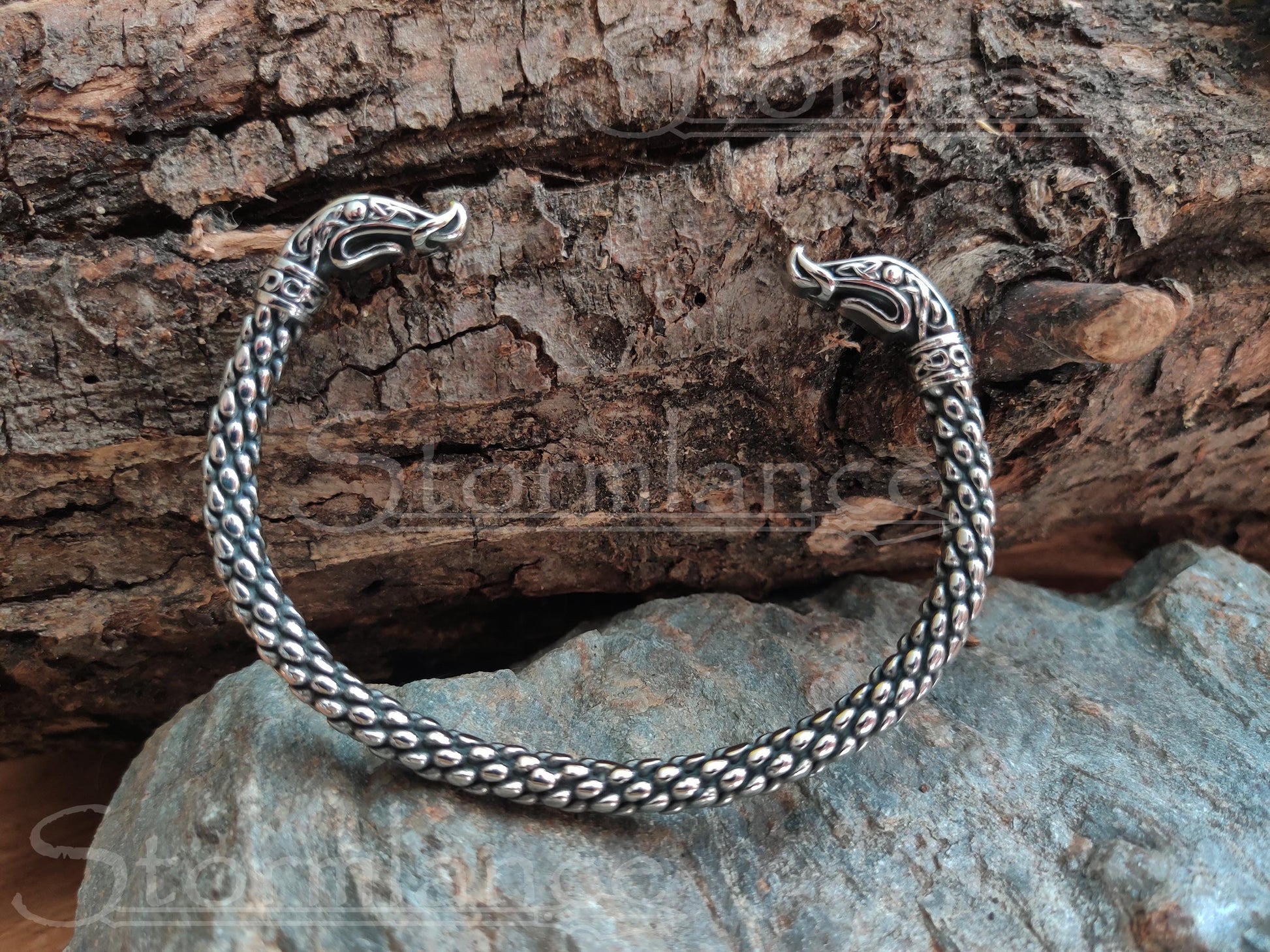
Viking arm rings served more than just decorative purposes. They were used as rings of oath during important ceremonies, where warriors would swear loyalty to their leaders or gods. It was considered a sacred ceremony to swear an oath with or without the armring, and the gods were witnesses. In societies where coins were uncommon, the rings could also function as currency. The rings could be used during times of crisis as payment. This further highlighted the importance of these rings.
Viking Bracelets as a symbol for Brotherhood and Loyalty
Viking bracelets were also worn to symbolize brotherhood and loyalty. Viking arm bands are typically linked to wealth and personal power. The bracelets were traded between warriors as a token to show loyalty and trust. Vikings were fierce warriors, and such symbols of allegiance were vital to their culture.
Viking bracelets came in many different designs. They ranged from simple bands without ornaments to ones with elaborate mythological patterns. These designs were more than being ornamental. One bracelet might feature the wolf symbolizing power and ferocity. While another that has interlocking tangles can represent the interconnectedness of fate and life.
Men’s Viking Jewelry Revival
In recent times, there has been an increase in interest in Viking jewelry, particularly arm rings, bracelets, and other pieces. This revival is not merely about fashion but also about reconnecting with the rich heritage of culture that is a reflection of universal themes like honor, strength, and loyalty.
Modern Viking jewelry is influenced by ancient finds and retains a lot of their original charm. Modern artisans put modern touches to traditional forms to create pieces that are timeless and contemporary.
One of the most appealing aspects of Viking jewelry for men is the versatility. Viking arm rings and bracelets are a great way to bring a rugged look to an outfit, either as a statement accessory or as part of a subtler ensemble. These pieces appeal to those who love the combination of style and history. They are a great option to blend the past with your own personal identity.
Choose Your Viking Arm Ring Or Bracelet
The most appropriate Viking arm bracelet or ring is a journey of your own. There are a variety of choices in terms of the materials and styles. Find a piece that reflects your style and values. This collection has something for everyone, regardless of whether you’re drawn by the symbolism and craftsmanship of Viking jewelry or the brotherhood symbolized by the Norse arm ring.
When selecting Viking jewelry, consider what it means to you. Are you looking for something that symbolizes strength, heritage or something unique? Whatever the reason, you’ll find a Viking arm bracelet or ring is more than a piece of jewelry–it’s a statement of your identity and what you believe in.
Conclusion
The enduring appeal of Viking arm bands and bracelets lies in their capacity to connect the gap between historical and contemporary fashion. They are Viking jewellery items for men are strong symbols of identity and heritage. Whether worn to remind you of the past, or a bold fashion statement, Viking arm rings and bracelets are still able to charm and inspire the wearers of these pieces.


